

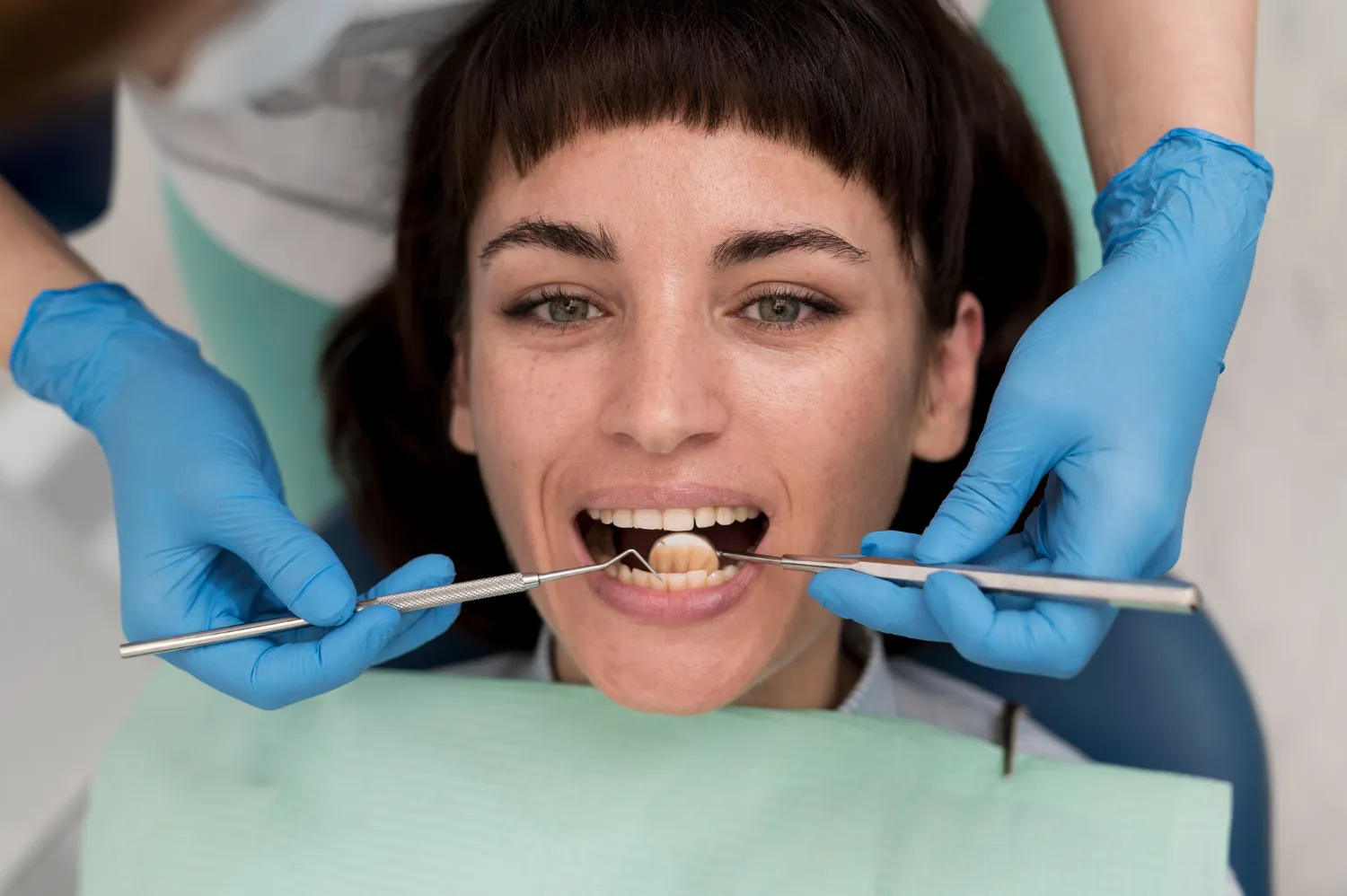
Recovery after full mouth restoration depends on the treatments you receive. Some people may need fillings or crowns, while others may need several treatments over a few visits. Since each treatment is different, the time needed to heal can also vary. For the first few days, you may have some soreness, sensitive teeth, or mild swelling, especially if several teeth were treated. Follow your dentist’s care instructions, eat soft foods that are easy to chew, and keep your mouth clean to help with healing. Understanding the recovery timeline after full mouth restoration treatment can also help with planning daily activities and knowing when to contact the dental team about a concern.
What Is Full Mouth Restoration?
Full-mouth restoration is a planned approach that uses one or more dental treatments to address multiple oral health concerns. The treatment plan depends on the condition of the teeth, gums, bite, and other areas of the mouth.
Depending on your dental needs, treatment may include:
- Fillings to repair teeth with decay or damage
- Crowns to protect and repair weak teeth
- Bridges to replace missing teeth
- Dental implants are a suitable option.
- Treatment for gum problems
- Other treatments to repair and restore your teeth
Full mouth restoration in Colwood is planned based on your dental needs. Since every treatment plan is different, the time needed to recover can also vary from person to person.
What Can Recovery Feel Like?
After treatment, some temporary changes may occur as the mouth begins to heal. Soreness, sensitivity, or mild swelling can happen, depending on the procedures performed.
During the early recovery period, it may help to:
- Follow all aftercare instructions.
- Take prescribed or recommended medication as directed.
- Choose softer foods if chewing feels uncomfortable.
- Avoid putting unnecessary pressure on treated areas.
- Keep the mouth clean as advised.
- Attend follow-up visits when recommended.
A dentist in Colwood can explain which symptoms are expected after each treatment and when further assessment may be needed.
Recovery Timeline After Treatment
The recovery timeline after full mouth restoration treatment is not the same for everyone. Recovery may take longer when several procedures are completed or when treatments involve deeper healing.
A general recovery pattern may include:
- First few days: Soreness, sensitivity, or mild swelling may be noticeable. Soft foods can make eating more comfortable.
- First week: Many temporary symptoms begin to settle, although some treated areas may still feel sensitive.
- In the following weeks, the mouth continues to adjust and heal. Follow-up visits may be used to check the treated areas and make adjustments if needed.
- Longer healing periods: Some treatments, such as dental implants, may require a longer healing period before the final restoration is placed.
What Foods Should You Eat During Recovery?
After a full mouth restoration near you, food choices may need to be adjusted based on the treatments completed. Soft foods are often easier to eat when the mouth feels sore or sensitive.
Suitable options may include:
- Yogurt
- Eggs
- Soft-cooked vegetables
- Oatmeal
- Mashed potatoes
- Smooth soups that are not very hot
Hard, sticky, crunchy, or very chewy foods may place extra pressure on recently treated teeth. The dental team can provide more specific food instructions based on the procedures completed.
When Can You Return to Your Normal Routine?
The answer to how long full-mouth restoration recovery takes depends on the treatments involved. Some normal activities may be possible soon after treatment, while other activities may need to wait until the mouth has healed further.
A dental clinic near you can guide you in returning to work, exercise, normal eating, and other daily activities. Following these instructions can help protect the treated areas during recovery.
When Should You Contact the Dental Team?
Some soreness or discomfort may occur as your mouth heals. However, if your symptoms get worse or do not improve, contact your dental team.
Call your dentist if you have:
- Pain that is getting worse instead of better
- A lot of swelling or swelling that is getting worse
- Bleeding that does not stop.
- A filling, crown, or other restoration that feels loose or damaged
- A bite that feels different or uncomfortable
- Any other symptoms that worry you
Seeing your dentist early can help determine whether you need more care.
Take the Next Step Toward a Smoother Recovery!
Recovery is an important part of full-mouth restoration, and proper aftercare can help protect the treated areas during the healing period. Urban Smiles Colwood can explain what to expect after each stage of treatment and provide guidance based on the procedures included in the care plan. If questions or concerns arise during recovery, an evaluation can help determine whether additional care is needed. Schedule an appointment to discuss your recovery needs and receive personalized guidance for the next stage of your dental care.
Get directions to Urban Smiles Colwood for personalized guidance and follow-up care after your full mouth restoration.
FAQs
How long does it take to recover after a full mouth restoration?
Recovery depends on the treatments you have. Some may cause soreness for a few days, while dental implants may take longer to heal.
What foods should I avoid during recovery from Full Mouth Restoration?
Avoid hard, sticky, crunchy, and chewy foods while your mouth heals. Very hot foods and drinks may also cause discomfort.
Is pain and swelling normal after Full Mouth Restoration treatment?
Mild soreness, sensitivity, or swelling may happen after treatment. Tell your dental team if the pain or swelling is severe or gets worse.
When can I return to my normal routine after Full Mouth Restoration?
This depends on your treatments and how well your mouth heals. A dentist in Colwood can tell you when it is safe to return to your normal routine.