

Getting new teeth to replace missing ones can completely change how you eat, talk, and smile.
However, your jaw needs to be thick and strong enough to hold those new roots firmly in place.
Many people learn they need a special bone-building step before they can get their new teeth.
If you are looking into getting dental implants in Colwood, an expert will look at your jaw thickness first. Let us learn exactly when this helpful prep step is needed to save your smile.
What Is A Jawbone Buildup, And Why Does It Matter?
A bone graft is a simple treatment where a specialist adds a small amount of new bone material to a weak or thin area of your jaw.
This material acts like a track, telling your body to grow new, natural bone cells in that exact spot over time. Your jaw needs to be wide and deep to handle the heavy pressure of daily chewing.
Building up this foundation ensures that your new replacement tooth stays locked in place for the rest of your life without coming loose.
Why Do People Lose Jawbone After Losing A Tooth?
- Missing Roots: Your jawbone stays strong because your real tooth roots constantly give it a workout whenever you chew food.
- Shrinking Bone: When a tooth is pulled, the empty bone area stops getting that regular workout and naturally starts to melt away.
- Gum Disease: Severe gum infections can slowly eat away at the bone holding your teeth, making the whole area soft and thin.
- Injury Damage: A hard blow to the mouth can crack or break the socket bone, leaving a major dip in your jawline
When Is This Preparation Step Absolutely Required?
- Long-Term Spaces: If you have lived with an empty tooth gap for many years, the bone has likely shrunk too much to hold a new screw.
- Sinus Proximity: Back upper teeth sit right under your air sinuses, which often require a lift to create a safe space for new roots.
- Small Jaw Shapes: Some individuals are simply born with naturally thin or shallow jaw structures that cannot support a standard titanium post.
- Advanced Options: Choosing a bone grafting procedure before dental implants for jawbone loss patients gives the mouth the structure it needs to heal safely.
What Can You Expect During The Actual Treatment Visit?
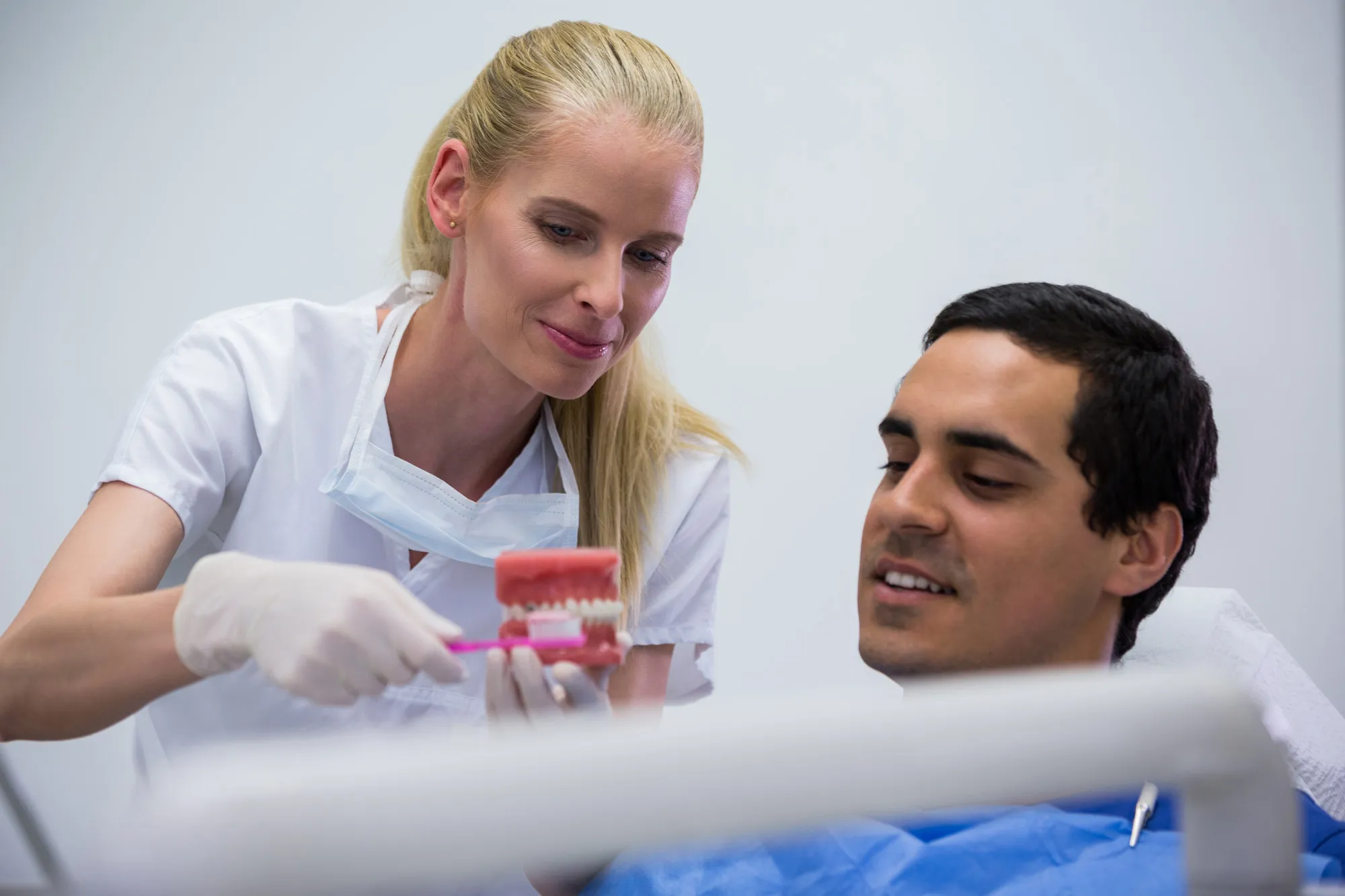
The actual process is very straightforward and can be completed right in the office chair.
The team numbs your mouth completely so you do not feel any pain while the new material is placed. Next, a tiny cut is made in the gum to slide the clean bone particles into the thin spot before closing it with small stitches.
When looking for dental implants near you, you will find that teams use advanced numbing methods to make this quick visit feel relaxed and easy.
Comparing Different Types Of Bone Materials
| Type of Graft Material | Where It Comes From | Main Benefit | Healing Speed |
| Autograft Material | Your own hip or jaw | Best cell growth results | Fastest healing time |
| Allograft Material | Safe human donor bone | No extra surgical site needed | Moderate healing time |
| Xenograft Material | Sterile animal bone | Dissolves slowly for great structure | Slower, steady healing |
| Alloplast Material | Man-made mineral crystals | Completely synthetic and safe | Slowest, solid bone growth |
How Long Does It Take For The New Bone To Heal Completely?
- Initial Settling: The minor soreness from the placement visit completely disappears after just a few days of resting at home.
- Cell Fusion: Your body takes a few months to fully replace the added particles with your own living bone tissue.
- Timeline Factors: The total bone grafting for dental implants recovery time usually spans between three and six months depending on your health.
- Final Check: The team uses digital X-rays to verify that the area is as hard as a rock before scheduling your next implant step.
How To Care For Your Mouth After Your Placement Visit?
- Eat Soft Foods: Stick to cool smoothies, warm soups, and mashed potatoes for the first week to protect the stitches.
- Do Not Spacing: Avoid using straws or spitting forcefully because the sudden suction can disturb the healing graft material.
- Ice Your Cheek: Put a cold pack on the side of your face for fifteen minutes at a time to keep swelling down.
- Gentle Rinsing: Swish very gently with warm saltwater starting the day after your visit to keep the area clean.
Finding A Trusted Local Team To Rebuild Your Smile
Rebuilding your jaw is a very common step that sets your future tooth replacement up for total success.
Meeting with a skilled dentist in Colwood allows you to get a clear picture of your bone density using advanced 3D scans.
If you need assistance right away, dropping by a top-rated dental clinic near you makes it easy to discuss prices and timeline options. Getting an expert opinion close to home ensures you receive the best care without long, tiring drives.
Why Is A Strong Foundation Ensures Your New Teeth Last A Lifetime
Investing time into building a thick bone bed pays off significantly once your final crown is attached.
Having your dental implants in Colwood placed into a solid foundation stops the metal screw from poking through the gums or failing later. The dense bone locks around the post just like a real root, letting you eat steak and apples without any worry.
This careful process protects your facial structure, keeping your jaw looking young, full, and perfectly healthy.
Start Your Journey to a Healthy Smile
Rebuilding your jawbone is the safest way to ensure your new teeth stay strong and beautiful for life.
At Urban Smiles Colwood, we use gentle methods and advanced technology to make your treatment smooth, comfortable, and completely successful. Our friendly team is always here to guide you through each step of your transformation with great care and skill.
You deserve to enjoy your favorite foods and smile with total confidence once again. Call us right now to book your visit, reach out today and let us help you get started!
Restore your smile with confidence – get directions to Urban Smiles Colwood today.
Frequently Asked Questions
Does getting a jawbone graft hurt a lot?
No, you will not feel any pain during the visit because the team uses strong local numbing medicine to block all feeling. You might feel a dull, minor ache for a few days after the numbing wears off, which can be managed easily with basic store pain pills.
Can I get my new tooth placed on the same day as the graft?
Sometimes, a tiny graft can be done at the same time the screw is put in if your jaw is already mostly thick enough. However, if your bone is very thin or shallow, you must wait for the graft to harden completely before any implants can be added.
Where does the added bone material come from?
The material can come from your own body, a safe human donor bank, or a sterile animal source. Many modern clinics also use advanced synthetic minerals made in a clean lab that work beautifully to trigger natural bone growth.
What happens if I decide to skip the bone graft entirely?
If you try to place a screw into a thin, weak bone, the post will not be able to handle the pressure of chewing and will soon fail. Skipping this step can lead to damaged nerves, receding gums, or a loose implant that has to be taken out.