

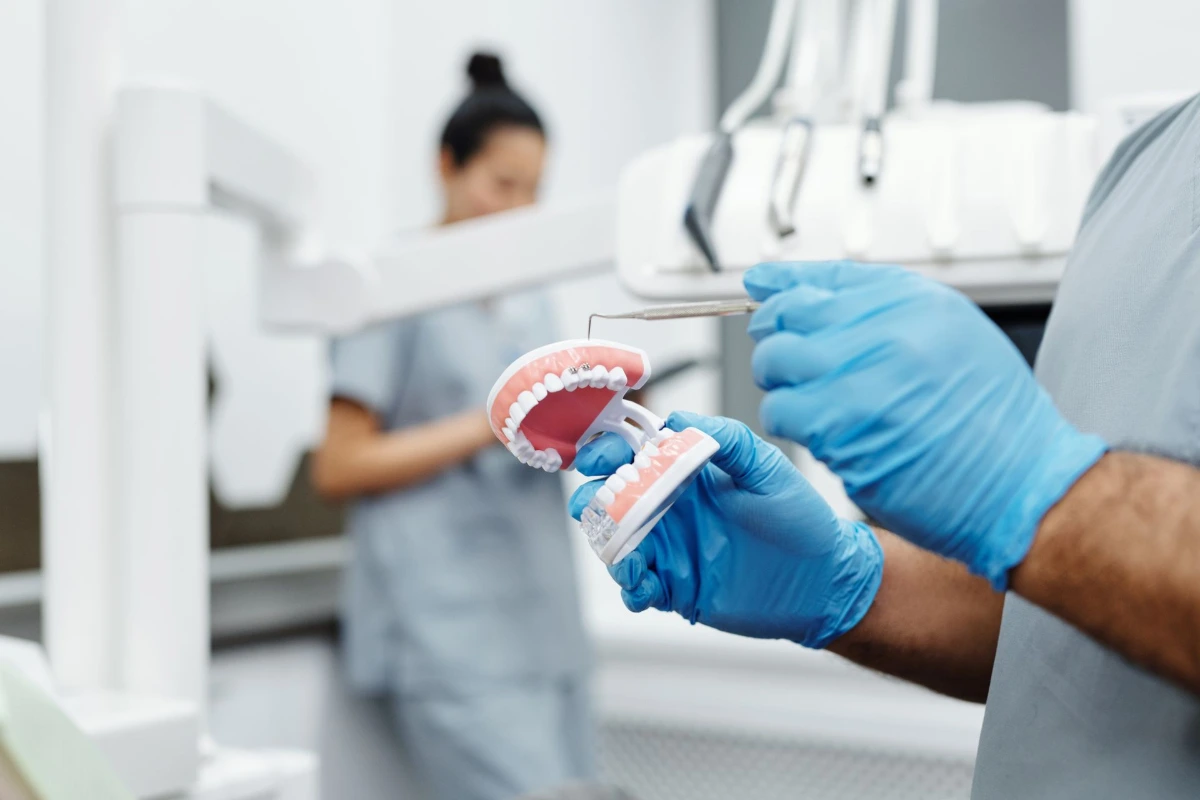
Do you often wake up with jaw pain, headaches, or sensitive teeth? These symptoms may be signs that you grind or clench your teeth while sleeping. This habit, known as bruxism, can put extra pressure on your teeth and jaw muscles. Over time, it may wear down tooth enamel, cause cracks, and increase tooth sensitivity. Dental guards in Colwood can help protect your teeth by creating a cushion between your upper and lower teeth while you sleep. A properly fitted dental guard can also reduce direct pressure on your teeth and help limit damage caused by repeated grinding.
What Is a Dental Guard?
A dental guard, also called a night guard, is a removable appliance worn over your upper or lower teeth. It helps prevent them from rubbing directly together when you clench or grind.
A dentist at a dental clinic near you can make a custom-fitted guard to match your mouth. Unlike sports mouthguards, night guards are designed to protect teeth from grinding during sleep.
How Do Dental Guards Protect Your Teeth?
Repeated grinding can wear down enamel, chip teeth, or damage fillings and crowns. How dental guards protect teeth from grinding and prevent tooth damage comes down to the barrier they provide.
A guard can:
- Reduce friction: Keeps your upper and lower teeth from rubbing together.
- Protect enamel: Takes some of the wear caused by repeated grinding.
- Shield dental work: Helps reduce direct pressure on fillings and crowns.
- Cushion clenching: Absorbs some of the force when you bite down.
A dental guard does not necessarily stop grinding, but it can help limit its effects.
What Are the Signs You May Need a Dental Guard?
Grinding often happens during sleep, so you may not notice it. Signs can include:
- Jaw soreness or tightness when you wake up.
- Headaches around your temples.
- Flattened or worn teeth.
- Increased tooth sensitivity.
- Chipped teeth or damaged fillings.
- Grinding sounds noticed by someone nearby.
These symptoms can have other causes. Your dentist in Colwood can examine your teeth and help determine whether a guard may be suitable.
Can a Dental Guard Prevent Tooth Damage?
Grinding puts repeated pressure on your teeth. Over time, you may notice worn edges, small cracks, or chips. A dental guard creates a layer between your teeth while you sleep, reducing direct contact. You may still grind while wearing it, but it can help limit wear. If your teeth are already damaged, your dentist can check whether they need treatment.
How Often Should a Dental Guard Be Replaced?
There is no set replacement date. A guard may need to be replaced if it cracks, becomes loose, shows significant wear, or no longer fits properly. Bring it to dental appointments so your dentist can check its condition. If it feels uncomfortable or becomes damaged, have it assessed before using it again.
Protect Your Teeth While You Sleep
If you’re considering dental guards near you, our team at Urban Smiles Colwood can assess your symptoms, check for signs of teeth grinding, and discuss whether a custom night guard may help protect your teeth. Contact us to schedule an appointment and learn more about your options for managing bruxism and reducing the risk of tooth damage.
FAQs
How does a dental guard protect teeth from grinding?
A dental guard provides a layer between your upper and lower teeth. When you grind at night, they press against the guard rather than rubbing directly together, which helps reduce enamel wear.
What are the signs that you may need a dental guard?
Morning jaw soreness, headaches, sensitive teeth, flattened enamel, and chipped teeth can be signs of grinding.
Can a dental guard prevent tooth damage caused by grinding?
It can reduce wear by separating your teeth, but it does not necessarily stop grinding.
How often should a dental guard be replaced?
Your dentist can check for cracks, wear, or a poor fit and let you know when it needs to be replaced.